After-Hours Retail Security: Protecting Your Store When It’s Closed and Empty
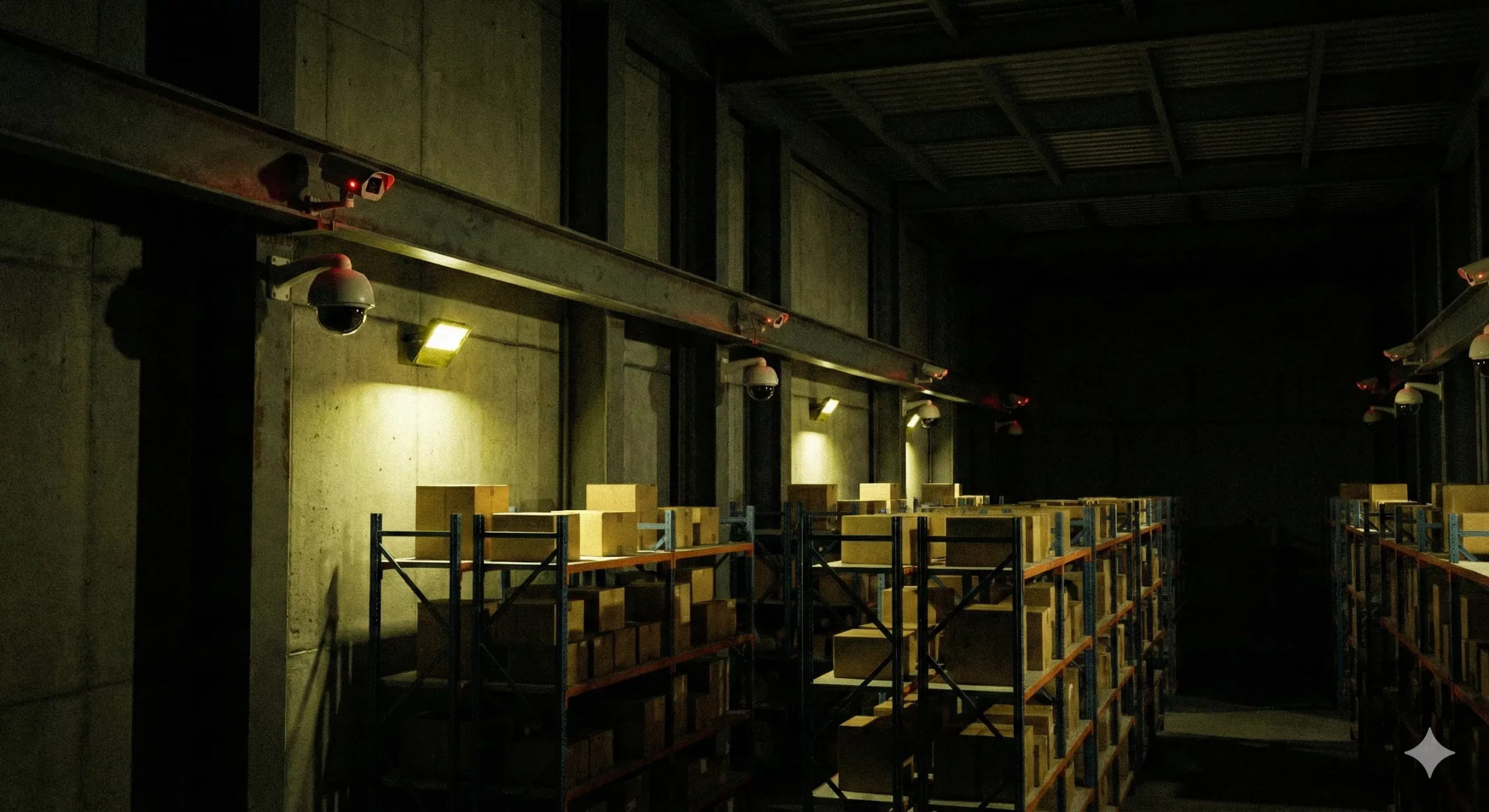
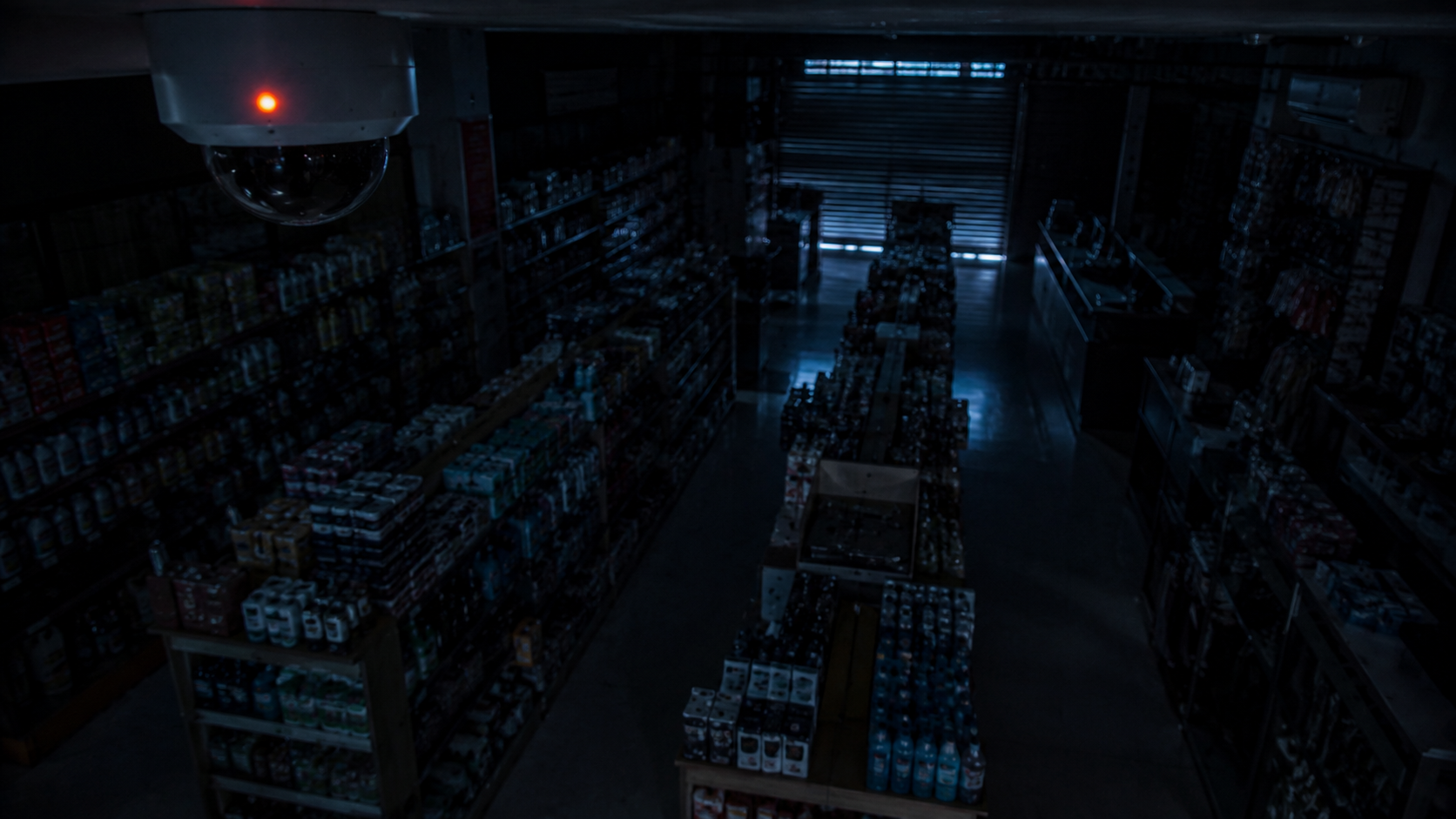
Every evening, you pull down the shutter, lock up, and go home. From that moment until you return the next morning, your store sits dark, empty, and full of stock — for twelve, fourteen, sometimes sixteen hours. Nobody is inside. Nobody is watching. And that closed, empty window is exactly when retail break-ins happen. The cameras keep recording into the night, the alarm sits armed, the shutter holds — and yet stores still get hit. This blog explains why the after-hours window is your store’s most vulnerable point, and what actually protects it.
Why After-Hours Is the Vulnerable Window
A retail store is a difficult target while it is open. There are staff on the floor, customers moving around, lights on, and an owner who notices things. An intruder has no time, no privacy, and no certainty. The moment the shutter comes down, all of that protection disappears at once.
After hours, an intruder has everything they did not have during the day:
- Time — no rush, no customers, no staff. They can work slowly and thoroughly
- Privacy — an empty store and a quiet street mean no witnesses
- Darkness — poor lighting hides movement and makes identification harder
- Certainty — they know the store is empty, so there is no risk of being confronted inside
- A predictable schedule — your closing and opening times are the same every day, and easy to observe
This is why the overwhelming majority of retail break-ins happen between closing and opening. The intruder is not taking a risk during the day when they could be seen. They are waiting for the window you create every single evening when you lock up and leave.
What Most Stores Rely On — And Where It Falls Short
Almost every retail store in India already has a layer of after-hours security. The problem is not that stores have nothing. The problem is that what they have is built to record or report a break-in — not to interrupt one while it is happening.
The shutter and locks
A shutter is a delay, not a barrier. A determined intruder with the right tools can breach a shutter, lever a lock, or find a weaker entry point — a rear door, a ventilation gap, a roof access, an adjoining wall. The shutter buys you minutes. It does not summon anyone. Once it is breached, nothing about it tells you the breach has happened.
The alarm
An alarm is designed to react after entry. The intruder is already inside when it sounds. A loud siren in an empty market at 3 AM is often ignored by neighbours, and a sophisticated intruder knows they still have several minutes to grab high-value stock and leave before anyone arrives. The alarm reports the event. It does not stop it.
The cameras
Your cameras faithfully record the entire break-in in high definition. But a camera is a recording device, not a prevention device. Nobody is watching the feed at 3 AM. The footage simply waits for you to discover the loss the next morning and review what happened. You end up with a perfect video record of stock you no longer have.
The common gap:
Shutters delay. Alarms report. Cameras record. Not one of these things intervenes while the break-in is happening. They all operate either before the intruder commits or after the loss is done. The few minutes in between — when the intruder is on your premises and the outcome is still undecided — is the window nobody is covering. That window is where your stock is actually lost.
The Missing Layer: Someone Watching, Live
Closing that gap does not require new cameras, a stronger shutter, or a louder alarm. It requires the one thing your current setup does not have — a trained person actively watching your store’s feeds while it is closed, ready to act the moment something happens.
This is what remote after-hours monitoring provides. Your existing cameras already see everything. Remote monitoring simply puts a trained operator on the other end of those feeds during the hours your store is closed. When movement is detected at your empty store, an operator verifies it within seconds — and instead of a recording, you get a real-time response while the intruder is still outside or just entering, when the situation can still be changed.
What an After-Hours Break-In Looks Like — With Monitoring
Consider a mid-sized electronics store on a market street. It closes at 9 PM. One night, someone decides to test the rear approach. Here is how that night plays out with remote monitoring in place.
2:14 AM — Movement is detected near the rear shutter of the closed store. An alert reaches the monitoring operator instantly.
2:14 AM — The operator pulls up the live feed and verifies — this is a person at the rear shutter, not a stray animal or a passing vehicle. A real attempt is forming.
2:15 AM — A live voice warning is issued through the store’s camera speaker: the intruder is told they are being recorded and that authorities have been notified.
2:15 AM — Simultaneously, the store owner is alerted, and local authorities are notified with the exact location and a live description of what is happening.
2:16 AM — The intruder, now aware they have been seen and named in real time, abandons the attempt and leaves. The shutter is never breached.
The whole event is over in under three minutes — and the store loses nothing.
Now compare that to the same night without monitoring. The movement at 2:14 AM is recorded and ignored. The intruder works on the shutter undisturbed, breaches it, takes high-value stock, and leaves. The alarm may sound at the point of entry, but by the time anyone responds, the store is already empty of its best stock. The owner discovers the loss at opening time and spends the morning reviewing footage of a theft that is already complete.
Same store. Same cameras. Same intruder. The only difference is whether someone was watching and able to act in those three minutes.
The After-Hours Threats Monitoring Covers
After-hours retail intrusion is not one single threat. It takes several forms, and active monitoring addresses all of them because they all share the same early signal — movement at a store that should be empty.
- Forced entry — breaching the main shutter, doors, or locks
- Alternative entry points — rear doors, roof access, ventilation gaps, shared or weak walls
- Casing the store — someone observing your premises, exits, and routine on an earlier night before an attempt
- Repeat offenders — a store that was hit once is often targeted again; monitoring breaks that cycle
- Vandalism and damage — break-ins that are not about stock but still cost you to repair
- Loitering at the storefront — activity around your closed store late at night that warrants a verified check
In every one of these cases, the value of monitoring is the same: the threat is caught at the earliest possible moment — when someone first appears — rather than at the point of entry or after the loss. The earlier the intervention, the less likely the attempt succeeds.
How Modernext Protects Your Store After Hours
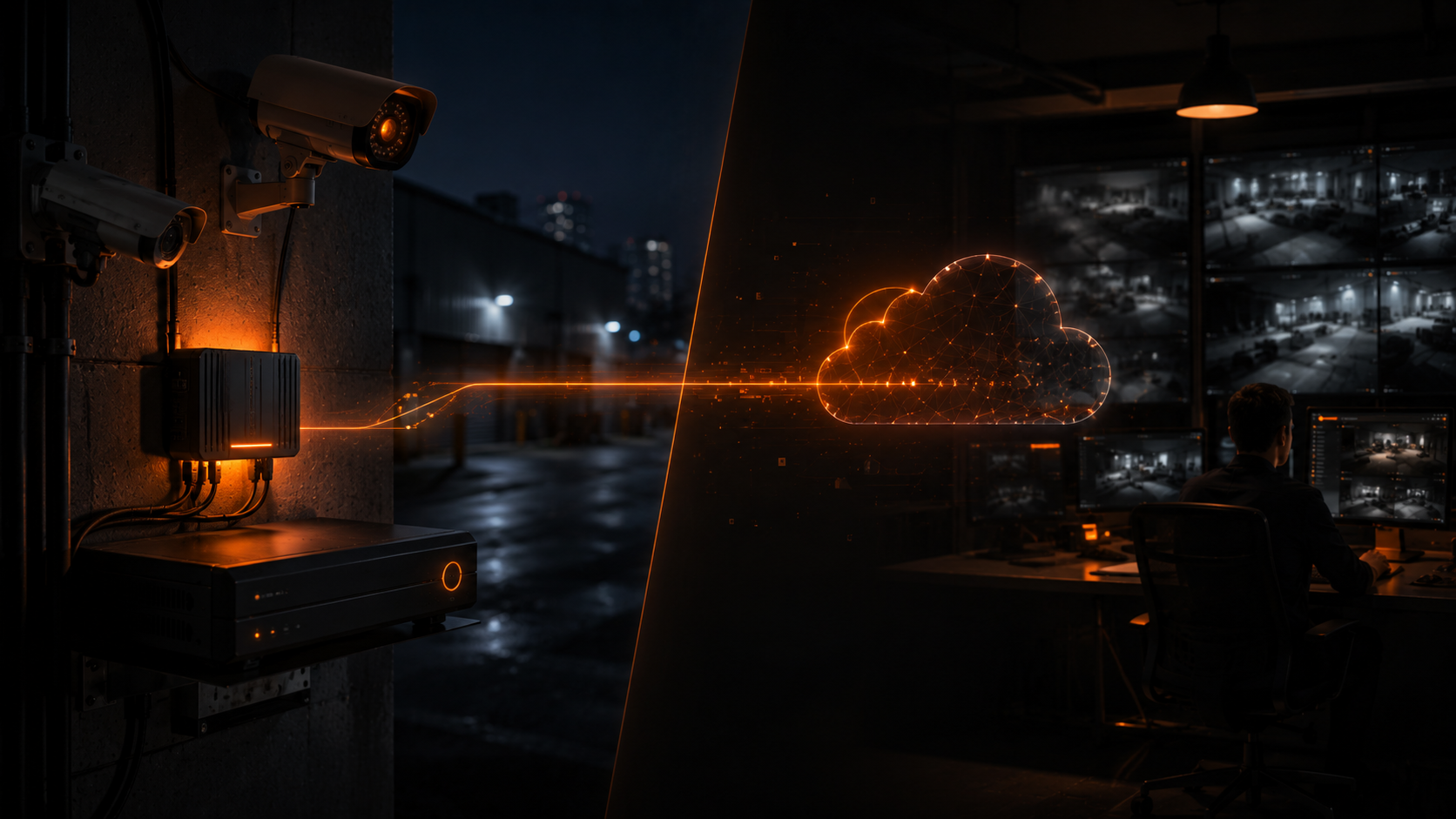
Setting up after-hours monitoring does not mean replacing your cameras, your DVR, or your shutter. Modernext works with your existing CCTV system. We install one small device near your NVR — it needs an ethernet port and a power supply, both usually already present. No new wiring, no new cameras, no disruption to your store.
You choose the hours. Most retail stores opt for monitoring from closing time to opening time — the full window the store sits empty. From that point, your existing cameras are watched by trained operators, and any movement at your closed store is verified and acted on in real time.
Step 1: We assess your store, your camera placement, and your entry points
Step 2: We install one Modernext device near your NVR and configure it
Step 3: Your camera feeds are securely connected to our monitoring centre
Step 4: Trained operators watch your store during your closed hours
Step 5: Any verified threat triggers an immediate response — voice warning, owner alert, and authorities notified
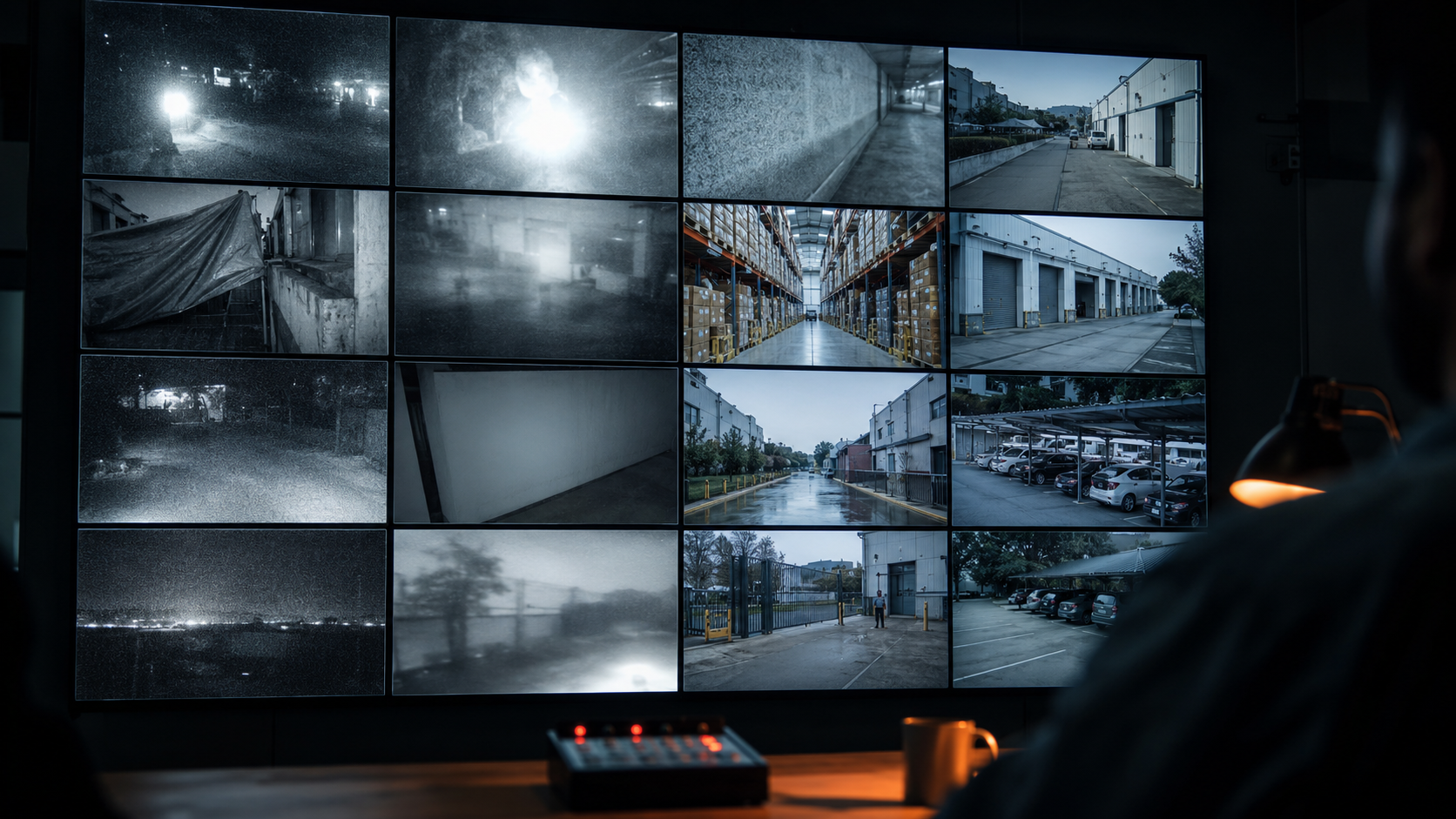
For this protection to work well, your cameras also need to produce footage an operator can actually use after dark — adequate lighting at entry points, clean lenses, and correct angles all matter. If you have not checked your night footage recently, our blog on why video quality matters more than camera count covers a simple audit you can do this week.
Your Store Is Empty for 14 Hours a Night. Make Sure Someone Is Watching.
Tell us about your store and your current camera setup. We will show you what after-hours monitoring would look like for your business.
An After-Hours Security Check for Your Store
Before you decide anything, here is a short check you can run this week to understand how exposed your store is once it closes:
1. Walk the outside of your store after dark. Note every possible entry point — main shutter, rear door, roof, ventilation, shared walls. Does a camera cover each one?
2. Open your CCTV feed at night and look at every camera. Are the entry points clearly visible, or lost in darkness and grain?
3. Ask honestly: if movement appeared at your store at 3 AM tonight, who would see it, and what would happen next?
4. Check your alarm response plan. If it sounded right now, how long until someone actually arrived?
5. Count the hours your store sits empty between closing and opening. That total is your unwatched window every single day.
Frequently Asked Questions
What hours does after-hours monitoring cover?
You choose the hours. Most retail stores opt for monitoring from closing time to opening time — typically the full window the store is locked and empty. If your store has unusual hours or you want weekend or holiday coverage specifically, the monitoring schedule is built around your needs.
How is this different from my burglar alarm?
An alarm reacts after an intruder has already entered, and it relies on a loud siren to scare them off or summon help. Monitoring works earlier — a trained operator sees the threat forming, often before entry, verifies it, and responds in real time with a live voice warning and direct alerts to you and authorities. It interrupts the attempt rather than announcing it.
Do I need to replace my existing store cameras?
No. Modernext works with your existing cameras and DVR or NVR. We install one small device near your NVR that connects your system to our monitoring centre. The only thing worth checking is whether your cameras have a clear, well-lit view of your entry points at night — if not, repositioning an existing camera or adding a light is usually all that is needed.
What happens if an intruder is detected at my store?
The operator verifies the threat on the live feed, then responds immediately — a live voice warning is issued through the camera speaker, you are alerted, and local authorities are notified with the exact location and a real-time description. The goal is to interrupt the attempt while the intruder is still outside or just entering, when the outcome can still be changed.
What if my internet goes down overnight?
Our system detects when a store goes offline and alerts both the operator and you, so an outage is never silent. Backup options such as 4G failover can be set up for stores in areas with unreliable connectivity. Your local DVR also continues recording independently, so no footage is lost.
Is after-hours monitoring worth it for a single small shop?
Yes. A small shop sits empty just as long as a large store, and a single break-in can wipe out a significant share of a small retailer’s stock and savings. Monitoring scales down to a shop with a handful of cameras as easily as it scales up, and the cost is modest compared to the value of the stock left unwatched overnight.
Related Articles
→ 5 Signs Your Business Needs Professional CCTV Monitoring
→ CCTV Monitoring vs Alarm Systems: Which Protects Your Property Better?
→ Trusted Data Environment: Why Video Quality Matters More Than Camera Count
→ CCTV Monitoring Cost in India 2026: Complete Pricing Guide
→ Your Security Guard Is Sitting in Front of CCTV Screens. Here’s Why That’s Not Enough.
Free Assessment: How Protected Is Your Store After Closing?
Send us your store type, camera count, and current setup. We will tell you exactly what after-hours monitoring would look like for your retail business.